
Support that goes at the pace of whoever is frightened
I help dogs who are fearful, avoidant, shut down or defensive feel safe enough to choose connection, and I help their guardians feel confident enough to support them.
What “trauma-informed” means here
I work on the understanding that a frightened dog’s past may be shaping what they do now, and I never add to the fear. That might be a past you know about, or one you can only guess at.
In practice it means we don’t push a dog through what scares them, we don’t punish fear, and we don’t ask for more than they can give that day.
The day Pocket got out through an open gate, every attempt to catch him made his panic worse. He stopped panicking when I did. We sat still, and he came back into the house on his own.
Reward- and choice-based
Dogs learn best when they feel safe and when good things follow what they do. So the work is built on rewards, on predictable routines, and on giving your dog real choices, including the choice to say “not yet”.
Early on, I touched Pocket and thought he was fine with it. Watching the videos back later, I could see he was only tolerating it at first, then flinching. So I stopped, and waited for him to come to me. Now I look for a dog choosing to come closer, not just staying still.
Everything I suggest is grounded in how dogs learn and how they experience fear, explained in plain words so you can put it into practice straight away.
When fear is running the show
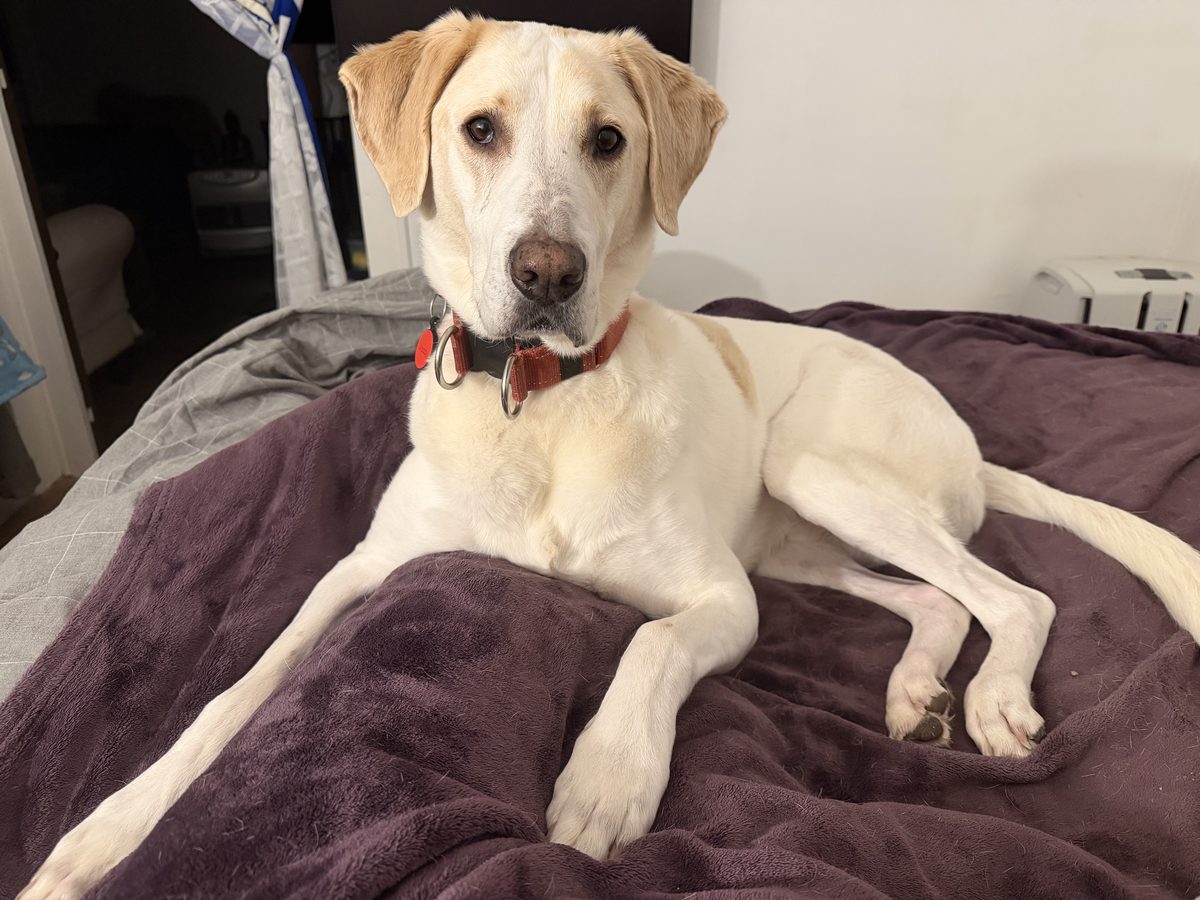
Woody would tell me everything he was feeling, out loud. Pocket keeps it all inside. Both learned those ways of coping in order to survive around people. Fear doesn’t always look the same, and it doesn’t always look loud.
Fear and hiding
Dogs who hide, startle easily, or seem frightened of people, places, sounds or everyday things.
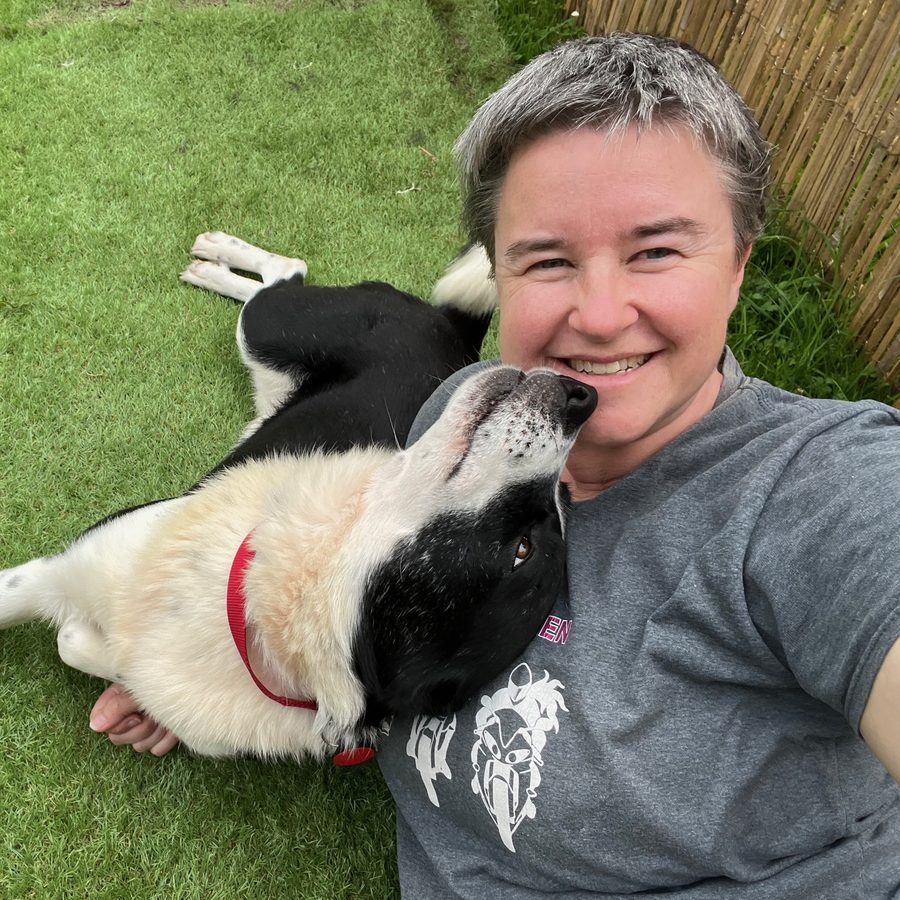
Pocket used to watch the world from behind a blanket on his sofa. Now he does zoomies up and down the garden.
Avoidance
Dogs who keep their distance, won’t come close, or avoid touch, even from the people they live with.
Pocket would jump off the sofa as I came near, and dash for the door when I opened it. Now he comes to cuddle up next to me, and saunters outside.
Shutdown
Dogs who go quiet, freeze, or seem to have stopped trying. It can look like calm, but it often isn’t.
When Pocket first arrived, my notes said “approachable”. He was frozen. Telling stillness from calm is a big part of my work now.
Defensive aggression
Dogs who growl, snap or bite when they feel trapped or frightened. We start with keeping everyone safe.
Woody tests every stranger, and when someone has got it wrong, especially by reaching for him, he has snapped. Now visitors meet a dog carrying a toy, settled first, with a routine that keeps everyone safe.
Handling, grooming and vet visits
Calm, willing handling and care: helping your dog take part in being touched, groomed and examined.
Rescue dogs settling in
Dogs with unknown histories who need time to settle, predictable days and space to feel safe.
Woody had been adopted and returned twice before he came to me. Four years on, he’s still here.
What going at the dog’s pace can look like
Tex was one of my foster dogs. On day one, nobody hurried that first step out of the van.
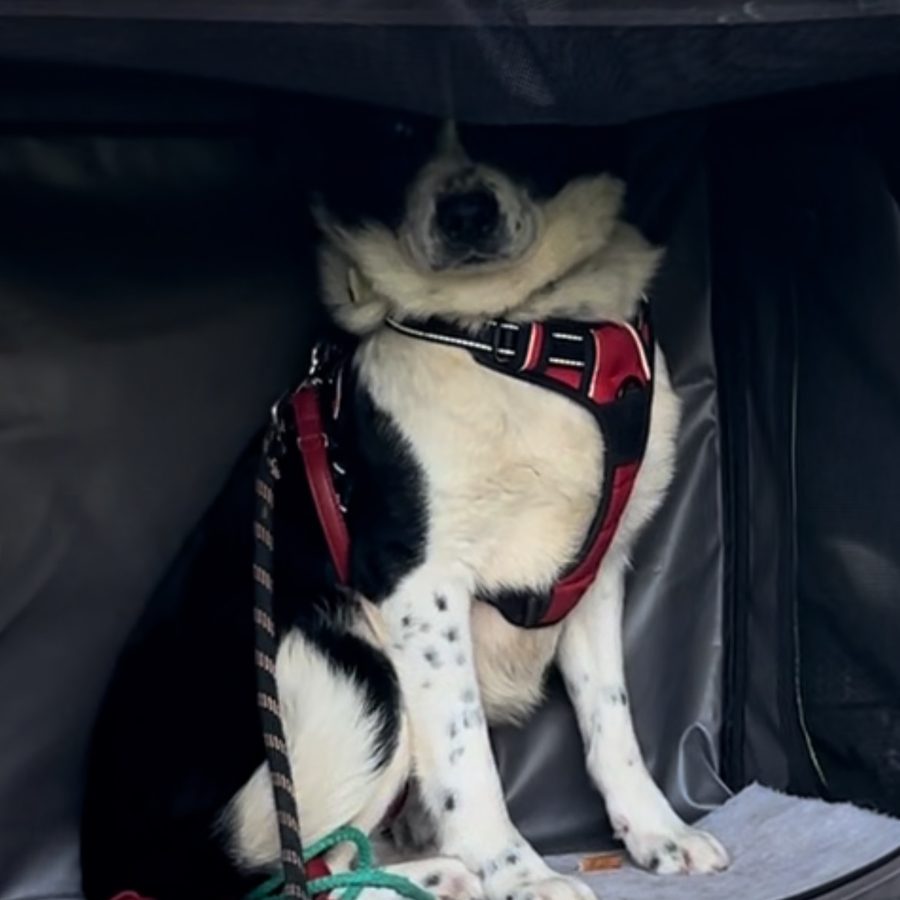
Every dog’s timeline is different. Some need much longer, and that’s fine.
One step at a time
-
You get in touch
Tell me a little about your dog using the short form. There’s no obligation, and I reply personally.
-
We talk, then we look closer
A First Step to talk it through, then a Second Step for a full look and a written plan.
-
You get a clear starting point
Practical first steps that fit your home, your routine and your dog, with the reasons behind them.
-
We go at your dog’s pace
Ongoing Support helps you work through the plan, at your dog’s pace. Around Limoges and Brive, that can include in-person sessions.
Your vet is part of the team
Pain and illness can change behaviour. If your dog’s behaviour has changed suddenly, or you suspect discomfort, please see your vet first. I’m always happy to work alongside them.
Guardians deserve compassion as much as their dogs do.
Living with a frightened dog is tiring and often lonely. You may have been told your dog is stubborn or dominant, or that you’re doing it wrong. On paper, Pocket was an easy dog, but for months I had to tell him before I got up off the sofa. I know how relentless it can be, and how little of it anyone else sees. We’ll work on what’s realistic for your life, and you’ll come away feeling capable, not dependent.
Ready to take the first step?
Everyone starts with a First Step. Tell me a little about your dog and we’ll take it from there.