
Thinking about rehoming your dog?
Something has happened and you’re not sure you can carry on. You don’t have to decide alone.
You don’t have to give up on them, and you don’t have to work it out alone. Support at your dog’s pace, mostly online, so your dog can stay home where they feel safest.
Opening for bookings soon. Register now and I’ll contact you personally as soon as I can take you on.
These are things guardians say to me. Tap any that sound like you.
Two quick questions. There are no wrong answers. Or start from your dog’s age and situation, with free guides for each.
Something has happened and you’re not sure you can carry on. You don’t have to decide alone.
I work on the understanding that a frightened dog’s past may be shaping what they do now, and I never add to the fear. That’s what trauma-informed means here. My approach is reward- and choice-based: your dog gets a say in what happens to them, and we go at their pace.
Short online sessions where you train your own dog alongside other dog people, several times a week. Check in, train together, check out. Any dog is welcome, with or without a problem, and it’s a lovely way to build confidence and your relationship long before anything goes wrong.
Three steps, whether you’re working on your dog’s behaviour or deciding whether to rehome.
Step 1 · Talk it through
We talk about what’s happening and how it’s affecting you both, and agree what kind of help would suit you. By video call or by messages, whichever suits you.
Step 2 · Clear written options or plan
A closer look at what’s going on for your dog, then clear written options or a plan to start from.
Step 3 · Support to put it into practice
Help to put it into practice, at your dog’s pace: working on your dog’s behaviour together, or support with the next step if you decide to rehome.
Fees will be confirmed when bookings open. Register interest and I’ll send them to you.
Based between Limoges and Brive, working in English with guardians across France and the UK. If you live nearby, ongoing support can include in-person sessions once we’ve started online.
Woody, my foster fail, taught me to listen to a growl instead of trying to stop it. Pocket taught me to wait at a doorway for as long as it took. Everything here comes from what they showed me.
Today I help guardians and their dogs move from fear to confidence, with structured, compassionate support.
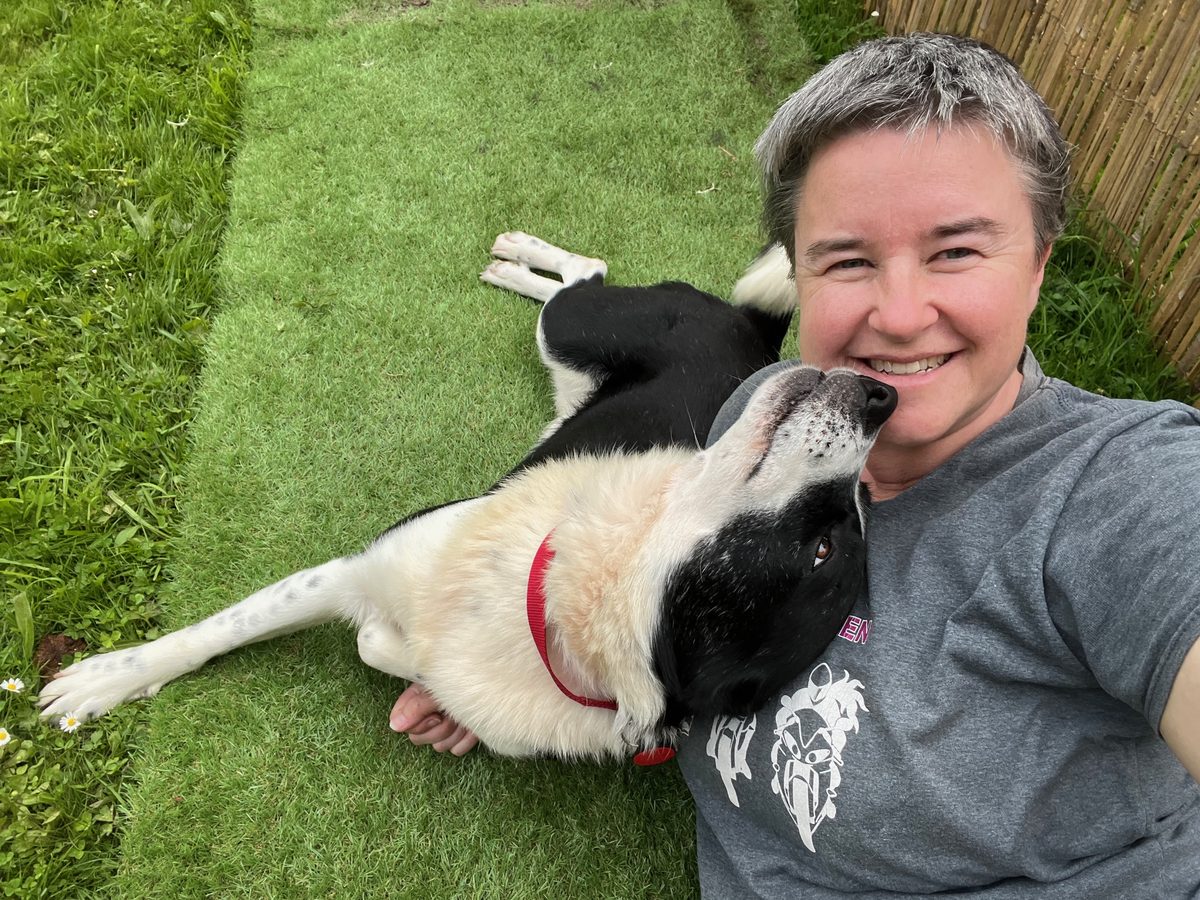
Some days it took Pocket three hours to come back through the door. He wasn’t being stubborn. He couldn’t, yet.
He’d lift a paw towards the threshold, then turn back. Now he asks to go out by touching his nose to my hand, even though he arrived with years of practised avoidance. It didn’t come from training him to come in. It came from making the doorway, and me, safe enough to choose. Going at the dog’s pace and letting them choose comes from what helped him.
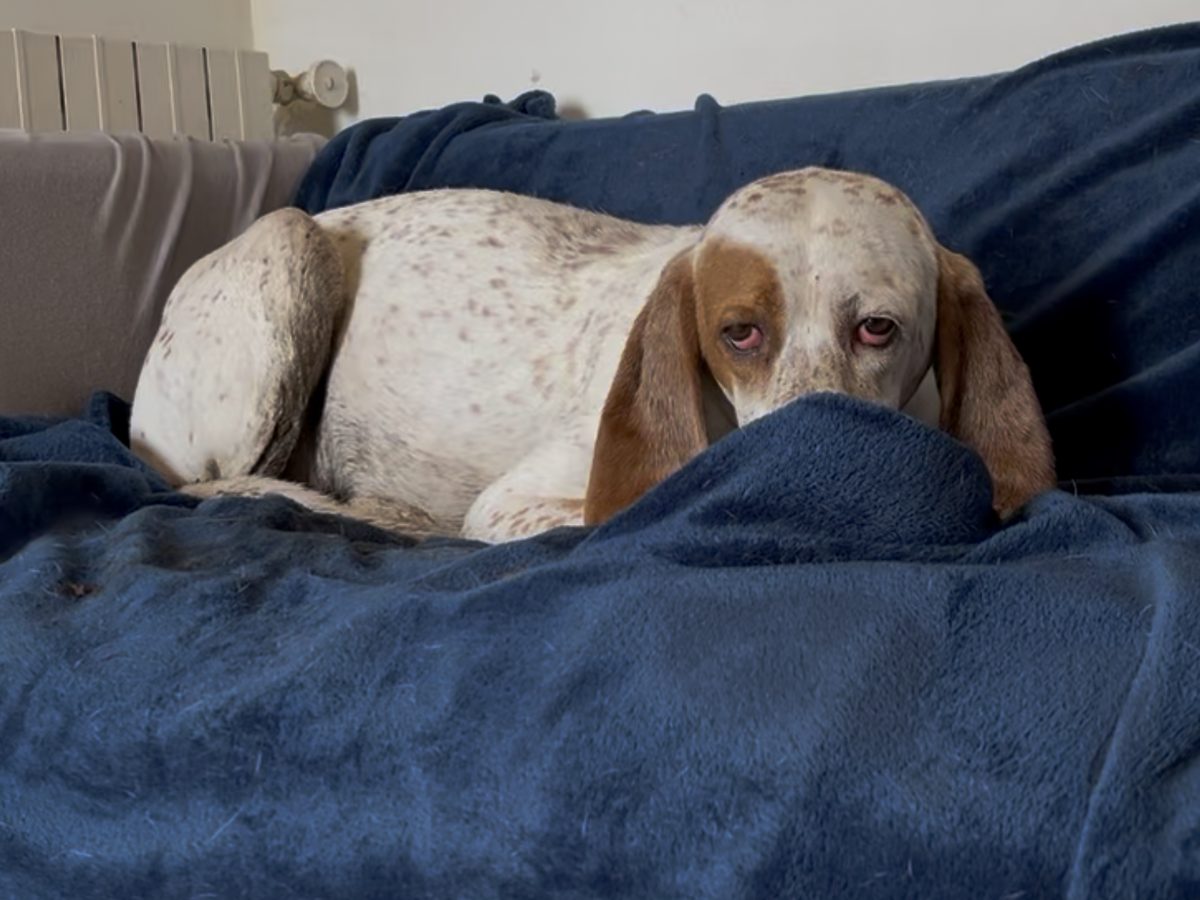
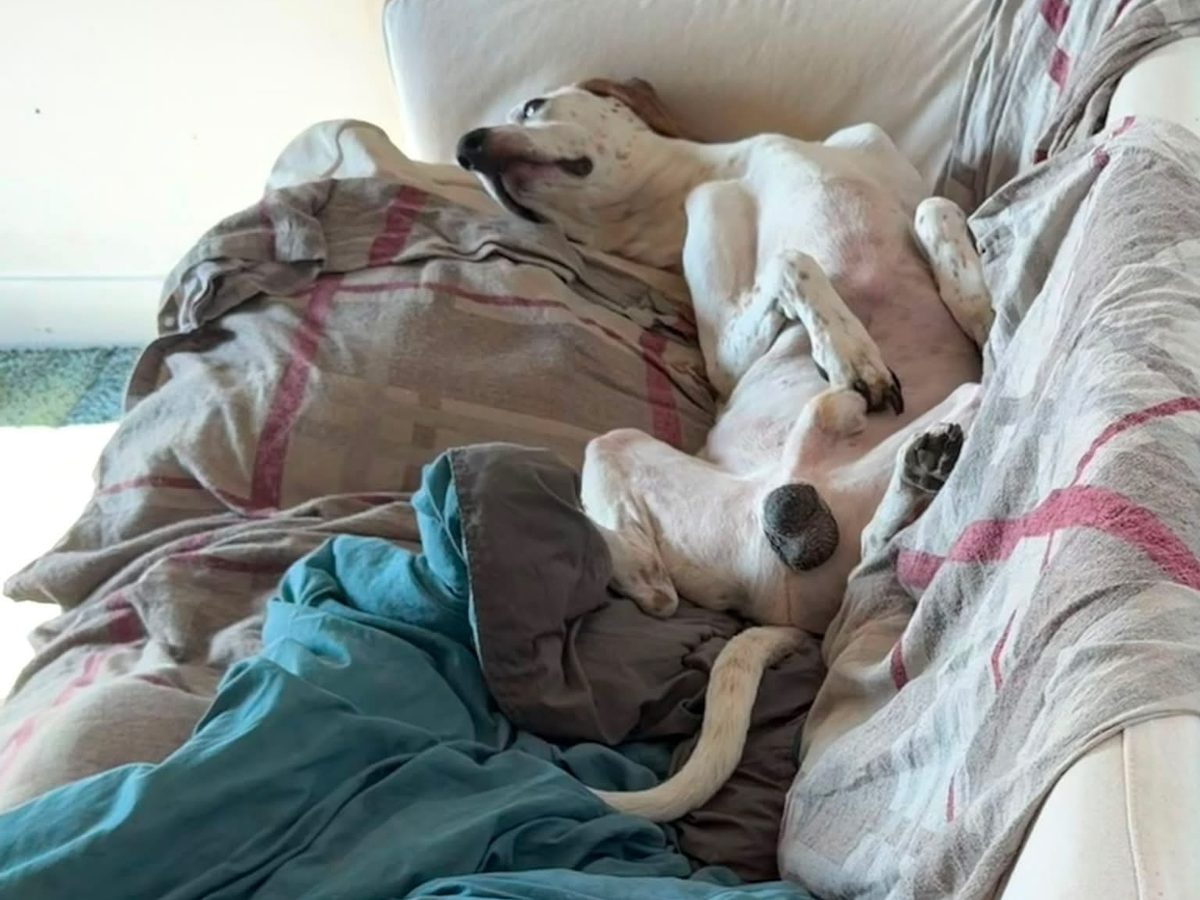
We may have only had a 45-minute video call with you, but it really made the world of difference to us in managing our loveable rogue H. You gave us confidence to carry on with some of the things we were doing right, but the main change was helping us to understand that we needed to tell H what we wanted him to do, rather than what we didn’t want. So having a pocketful of treats as you suggested and continually rewarding him when he’s not doing anything in particular, but being calm and settled, has been transformational. He’s still got a fair few less than desirable habits which we’re working on, but H’s good qualities far outweigh the bad, so we’re very grateful to you for helping us to find a way to work with him.
I’m feeling better this morning after better sleep and have had a couple of ideas about how to improve things… And also realising what a sensitive little boy he is and how much reassurance he now needs… Thank you so much for listening to me yesterday, Caroline.
No. Fear changes at the dog’s pace, and nobody can promise how quickly. What I can promise is a clear plan, honest feedback and support that fits you both.
It depends on your dog. Some settle quickly, others need longer, and that’s expected, not a setback. We’ll go at the pace your dog can manage.
With Pocket, I learned not to measure progress by what I could report. The dogs tell you when they’re ready.
Less than you might think. We start with one or two small changes that fit into what you already do, like where you stand at the door or how you put the harness on. Most of the work happens in your normal day, not in extra training sessions. If life gets busy, tell me and we’ll adjust the plan.
Not at all, and it’s very common. Dogs in the same home affect each other, so we look at the whole household. Often one of the first steps is giving each dog some space of their own.
Often it suits fearful dogs better. Your dog stays at home where they feel safest, nobody new arrives at the door, and I see how they really are day to day.
The First Step and the Second Step are always online. If you’re near Limoges or Brive, ongoing support afterwards can include in-person sessions where meeting would help your dog.
Dogs with long histories of fear can still make real progress. If I think someone else is better placed to help your dog, I’ll tell you, and point you in the right direction.
Pain and illness can change behaviour, so if your dog’s behaviour has changed suddenly, or you suspect discomfort, please see your vet first. I may also suggest a vet check as part of our work.
Between Limoges and Brive, France. Sessions are online and in English, so I work with guardians across France and the UK. Ongoing support can include in-person sessions around Limoges and Brive.
I’m opening for bookings soon. Register interest and I’ll contact you personally as soon as I can take you on.
Tell me a little about your dog. I’ll read every word and reply personally.